July 10, 2026
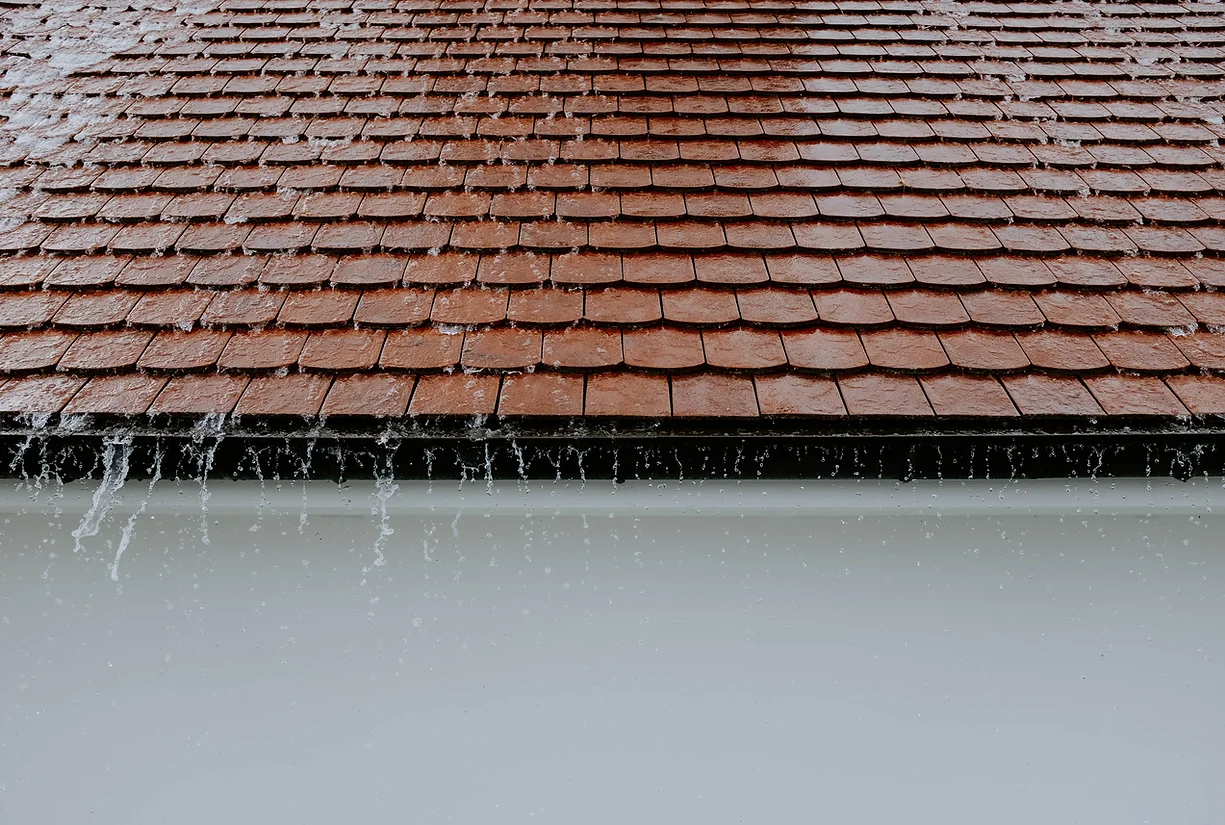
It can be frustrating to have your gutters cleaned only to find out that they are overflowing the next time it rains. You paid for the services, the gutters looked clean, but the real cause is still there. It happens more frequently than most homeowners expect.
Gutter overflow after cleaning does not mean the job was done poorly. Sometimes, it does, but in most cases, the real problem is something the cleaning services cannot fix, weren't able to correct, and weren't asked to inspect. You need to know the root cause to find the right solution, rather than paying for another gutter cleaning, which won't solve the problem.
Surface Cleaning Is Not Always Enough
The most common reason gutters overflow after cleaning is that the downpipes were not cleared. It is an important difference between a basic gutter clean and a complete gutter service. However, most homeowners do not realize it when booking the job. A downpipe can be partly or completely blocked even when the gutter itself looks spotless. When it happens, rainwater cannot flow away properly. Instead, it can build up in the gutters and spill over near the blockage. You remove the visible debris, but the drainage issue is still the same.
Mostly gutters collect debris from the nearby trees and small branches. The material can gather around the downpipe openings. Over time, the debris can become packed tightly together, creating a blockage that prevents rainwater from flowing through the pipe easily. If even after cleaning, the gutters are not flushing each downpipe and the water flows freely from the gutter to the outlet, the blockage can remain hidden even after the gutter appears clean.
Why Regular Gutter Cleaning is Important.
The Hidden Silt Buildup
Sometimes you miss cleaning the silt buildup at the bottom of the gutter. Most of the time, decomposed leaves, dust, and organic material can settle into a thin layer below the larger debris. That's why the layer is not easily visible and is left behind during the surface cleaning.
Even a small amount of silt can reduce how much water a gutter can hold. For example, a gutter with a few centimeters of silt at the bottom can fill up faster than a completely new gutter. It can overflow sooner during heavy rain and can take longer to drain afterward.
If a cleaning service only removes visible leaves and debris but does not clear out the silt, the gutter can still have reduced capacity. When there is a moderate to heavy rainfall, the gutters fail to handle the amount of water flowing through them. They can overflow. During the rain events, even if you have clean gutters, make sure to get them tested. A gutter clogged with silt is more likely to struggle and overflow.
Gutter Slope Problems
Gutters need a slight slope that directs water toward the downpipes to ensure proper drainage. If the gutter loses its slope due to damaged brackets or the weight of accumulated debris, water can collect in most areas rather than flow away. When rain falls, these low spots can fill up first. Once it cannot hold enough water, the gutter can overflow before the water reaches the downpipe.
Cleaning the debris will not fix that type of problem. If the gutter is sitting flat or at the wrong angle, the issue is with the gutter's structure, not the amount of debris inside it. When you want to fix it, replace the damaged brackets or adjust the gutters so they have the right slope.
Some of the damaged brackets are usually linked to aging fascia boards. Most older homes weaken over time due to strong sunlight, moisture, and coastal conditions.
Check out How Can Seamless Gutter Cleaning Services Protect Your Florida Property From Water Damage.
Gutter Joints and Seal Problems
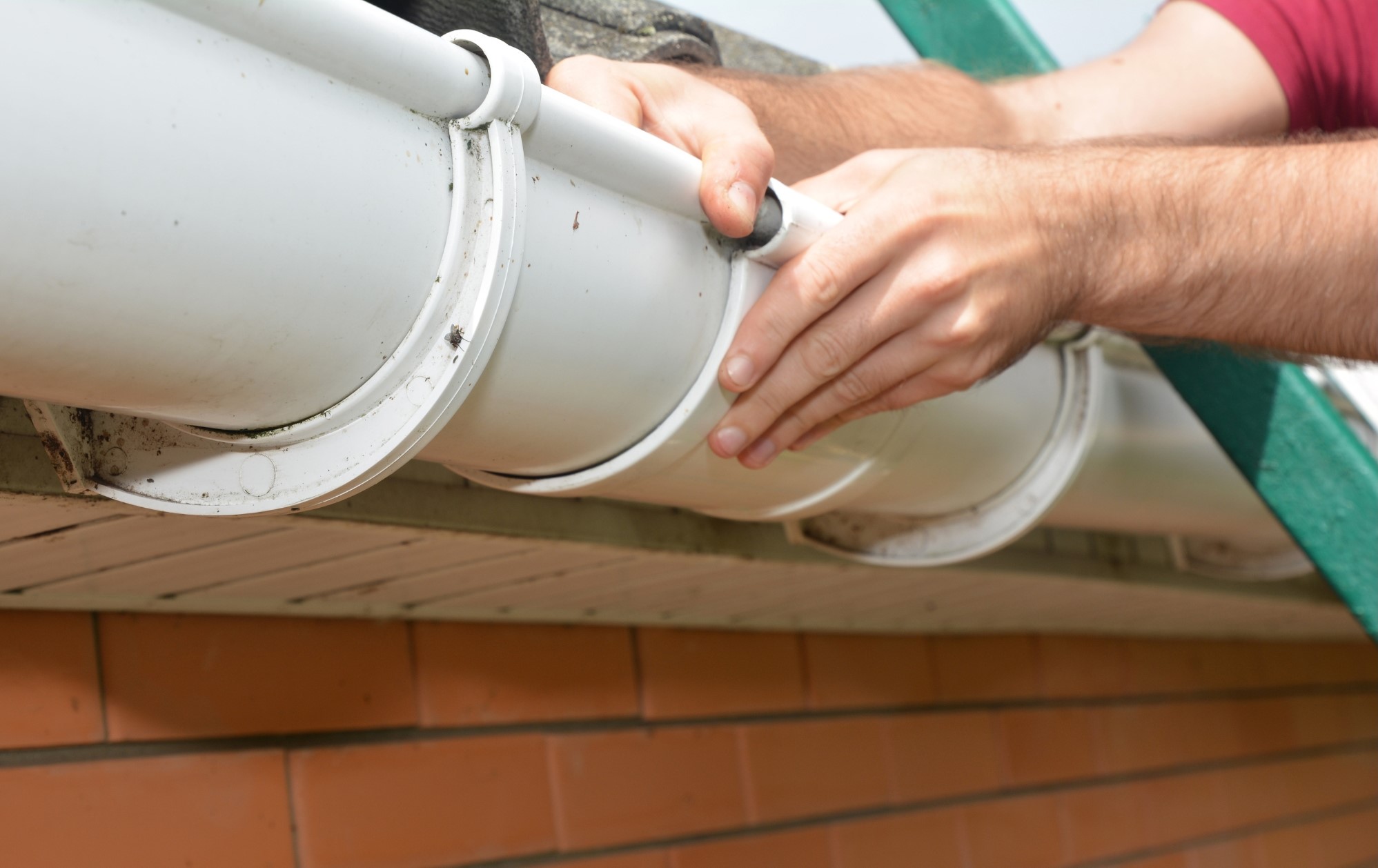
If your gutter only overflows at some spots, mostly where two gutter sections meet, or near the end caps, the problem can not be a blockage. It can be a failed seal or a damaged joint. Over time, the seals that hold sections together can wear out, or the joints can separate. When it happens, water can leak before it reaches the downpipe. That even causes overflow in some areas. Cleaning the gutter not only fixes the problem, but also addresses the issue with the gutter and not the debris blocking the flow.
What Is The Best Way To Clean Gutters?
Cleaning gutters looks like a simple task, but it can take some time and carry safety risks. Before you get started, make sure you have the right equipment and take proper precautions. Always use a strong, stable ladder, and wear thick gloves to protect your hands from the sharp debris. Make sure to have someone nearby to help steady the ladder when you work.
You can clean gutters by hand or with specially designed gutter-cleaning tools. However, don't use a pressure washer because the high pressure can damage the gutter seams and hangers, and sometimes create major issues. Take photos before and after cleaning to compare the condition of your gutters over time. They allow you to compare the condition of your gutters over time and notice any areas that need repairs. If you want to clean your gutters properly:
- Set up your ladder safely and put on protective gear.
- Remove leaves and other large debris by hand or with a gutter cleaning tool. You can even place the debris into a bucket or onto a tarp below.
- Use a leaf blower or a garden hose to remove small amounts of dirt and sediment.
- Flush the downpipes to make sure water flows freely.
- If water doesn't drain properly, check for blockages in the downpipe. You need to disconnect the sections, clear the debris, and reconnect them.