June 24, 2026
Your gutters work year-round without any disturbance to protect your home from severe water damage. They redirect rainwater away from your roof, foundation, and walls. However, when you ignore them, that simple system can fail. In fact, it can even lead to costly repairs of your siding, roof, and foundation.
If you want your gutters to work properly in various weather conditions, you need to follow a suitable maintenance routine. Here is a complete seasonal checklist to maintain your gutters.
What Schedule Should You Follow For Year-Round Maintenance?
You need to create a proper maintenance schedule to remove guesswork. It ensures that your gutters are ready for every season’s demand. However, if your home has tree coverage, particularly pine, oak, or maple, you should plan for quarterly cleaning.
Spring Cleaning (April to May)
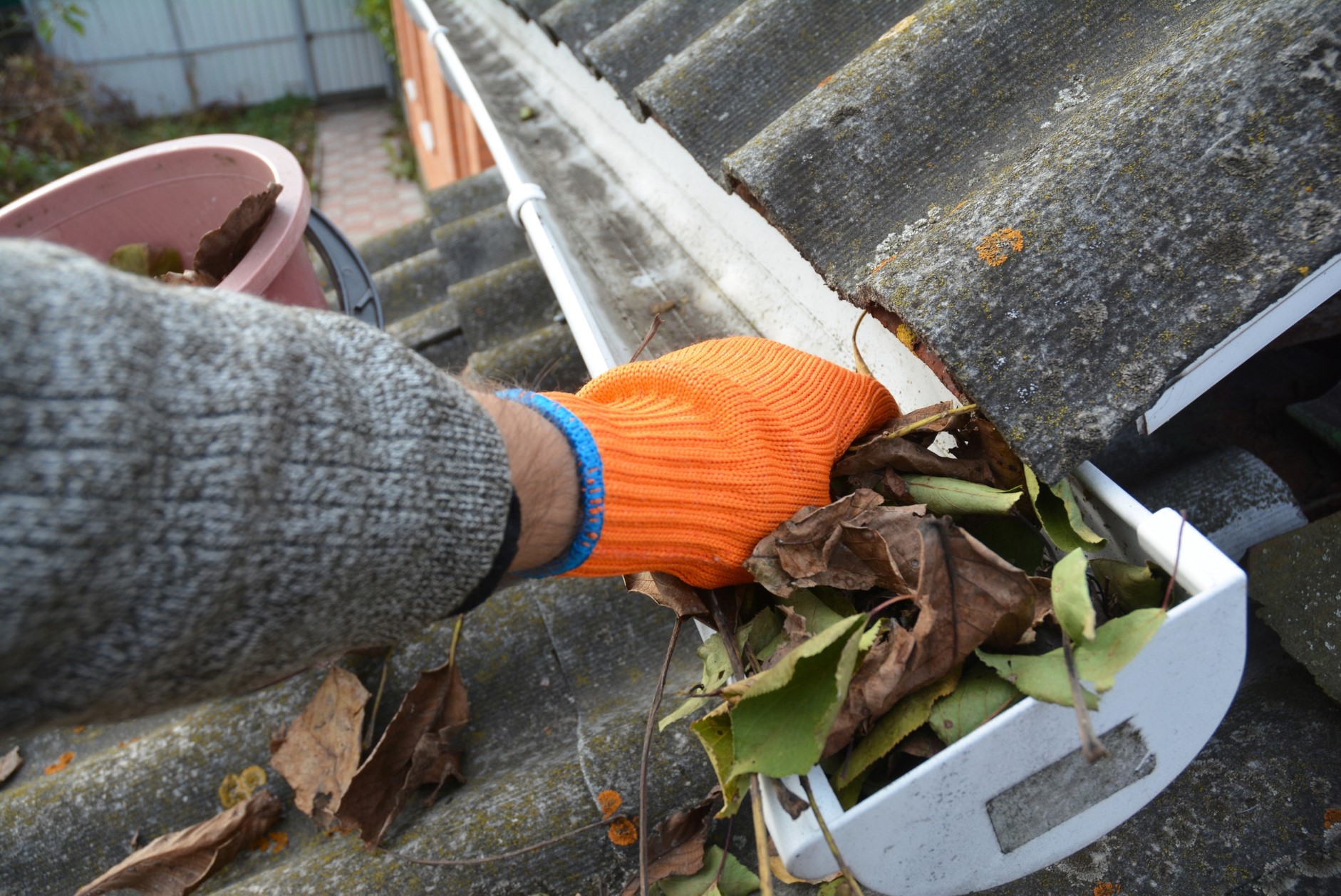
Spring cleaning checks the debris load collected throughout the winter. When you hire our experts for spring cleaning, we focus on removing all the packed debris by hand or with a gutter scoop before flushing. We flush gutters from the far end toward the downspout using a garden hose to check flow.
Then we check downspout outlets at the ground level to ensure water exits freely. Our experts also inspect gutter hangers and spike connections for movement caused by ice weight. If there are rust stains, peeling paint on the fascia, or green algae on the siding below the gutter line, it indicates a past overflow.
Spring is also the right time to check the gutter slope. Gutters should maintain a pitch of roughly one-quarter inch of drop for every 10 feet of run toward the downspout. If water pools in sections and is not flowing cleanly, the hanger needs quick adjustment.
Summer Inspection (June to August)
Summers do not demand a complete cleaning for most homes. However, a thorough inspection after a major storm helps ensure everything is in order. The weather usually gets heavy thunderstorms. These can even drop large branches into gutters, dislodge end caps, and push downspout extensions out of position.
A storm can bring more than an inch of rain. So, you need to walk around your home and check your gutters for signs of damage or blockages. Look for water overflowing from any part of the gutters during rainfall. Check gutters that are loose or pulling away from the roof edge (fascia). When you hire Gutter Hawk experts, they also check downspout extensions that have moved or become disconnected.
For homeowners on the east coast of Southern Florida, it is a good idea to clean or flush the gutters again in mid-summer. The reason is that heavy afternoon thunderstorms are very common in these regions.
Fall Cleaning (October to November)
Fall cleaning is done between October and November. It is the most important gutter cleaning of the year for most homes. During these months, leaves, pine needles, seed pods, and small twigs can build up quickly and clog the gutters. The right time to clean gutters is after most of the leaves have fallen.
Proper timing is also important. When you clean too early, the leaves get collected again before winter. However, if you wait too long, wet debris can freeze in the gutters. It becomes difficult to remove them without causing damage. During fall maintenance, homeowners should also check gutter guards for debris buildup. However, when you hire gutter cleaning experts, they check the downspout strainers for leaves that block water flow and check gutter seams and end caps for gaps or leaks.
Winter Inspection (December to February)
Winter gutter care is mostly about checking, rather than cleaning. In colder climates, homeowners should check for debris or algae. The gutter cleaning experts also check for gutters that are pulling away from the fascia.
Instead of worrying about ice and snow buildup, homeowners in the East Coast region of Southern Florida should focus on checking gutters after heavy rainstorms and strong winds. Regular inspections during winter help keep the gutter system working properly and protect the home from water damage year-round.
What Is the Right Time To Clean Gutters?
Our experts at Gutter Hawk suggest the right time to clean your gutters is during spring and fall. During spring, gutters can collect debris from the trees and even rain showers. However, in the fall, they can be filled with leaves, dirt, or other organic matter. It is best to clean your gutters after most of the leaves have fallen in the autumn. So, the best time is during late October or early November.
Considering these months helps you prepare your gutters for winter so they can handle heavy rain.
In case you want to clean them during spring, start in April or May. Scheduling these months ensures your gutters are free of unwanted debris that has likely gathered over winter. You can reduce the chances of clogs by maintaining your gutters during spring. There is a lower chance of clogs that can otherwise lead to water overflow or damage.
It is important to maintain your gutters during these periods. Doing so helps you avoid costly repairs and extend the life of your gutters. A thorough cleaning, which can include flushing the downspouts, ensures your gutters work efficiently year-round.